
Electric Vehicle Tyres: Everything EV Owners Need to Know Before Buying
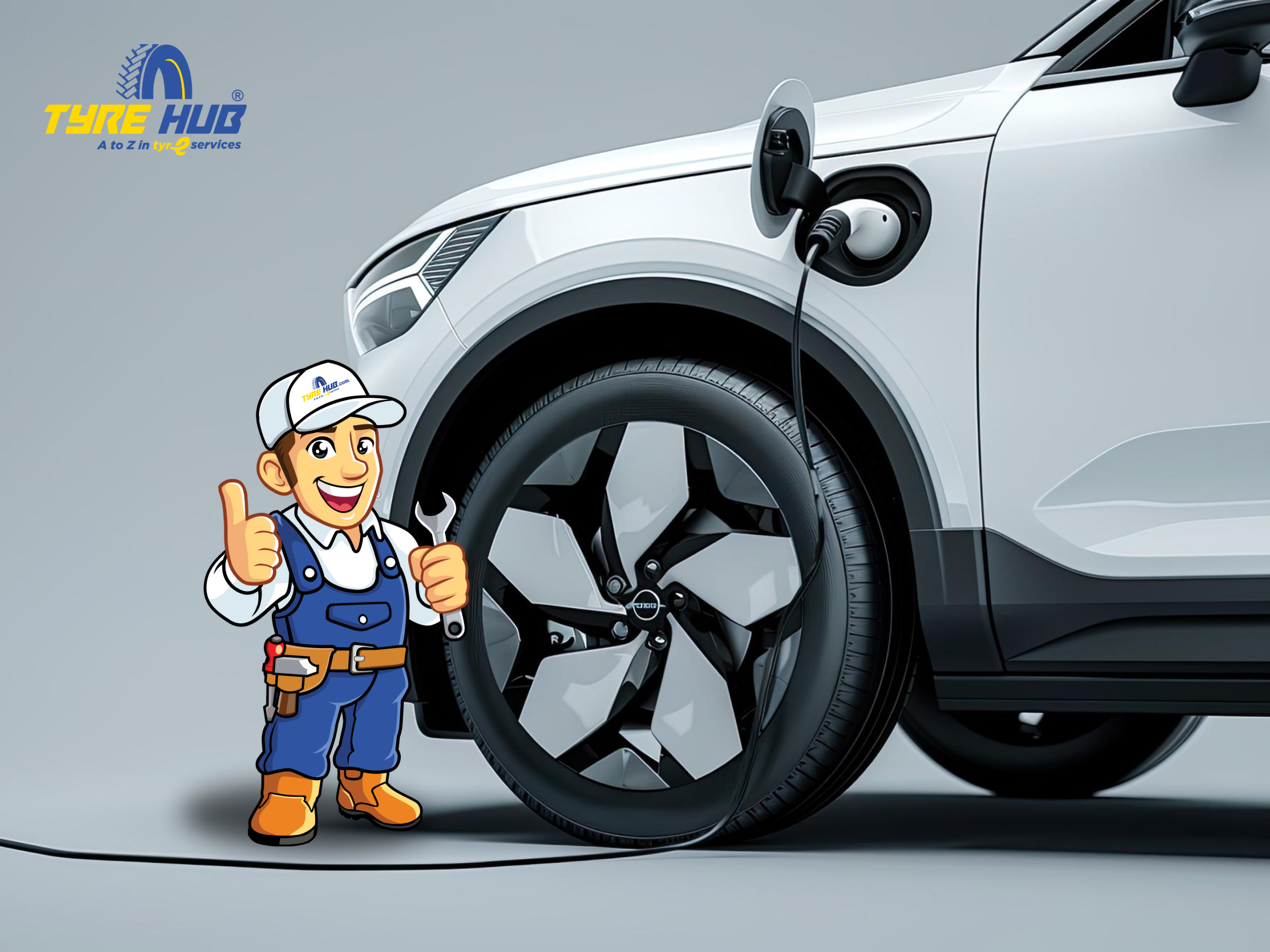
The electric vehicle revolution is transforming Indian roads. With models like the Tata Nexon EV, MG ZS EV, Hyundai Kona Electric, and upcoming launches from major manufacturers, EVs are no longer a futuristic concept; they’re today’s reality. However, many EV owners are unaware that their vehicles require specialised tyres explicitly designed for electric powertrains.
Did not convert your electric vehicle to ordinary tyres: that would be less than ideal, with wear and safety truly compromised, efficiency and range sacrificed. In this in-depth guide, I’ll explain why they differ, what to look out for, and how to pick the perfect tyres for your electric vehicle (EV) in 2025.https://imac.gob.mx/imac/
Why Electric Vehicles Need Specialised Tyres
At first sight, a tyre is a tyre. But the special needs of electric cars create requirements that traditional tyres do not meet.
- Instant Torque Delivery
Electric motors have maximum torque at a stop, unlike internal combustion engines.Impact on Tyres :- Aggressive tread wear during acceleration.
- Higher stress on the tyre compound.
- Requires a better grip to put the power down.
- Increased heat generation.
Real-World Effect: Without specific EV tyres, you may experience tyre spin when accelerating and uneven wear on the rear tyres.
- Regenerative BrakingRegen braking means that tyres are subjected to forces that standard brakes don’t impose, because EVs use energy recovery to decelerate.Tyre Implications :
- Wear and tear that differs from traditional vehicles.
- I want the grip to be the same when accelerating and decelerating.
- Compounds for bi-directional forces.
- Range Anxiety and EfficiencyEvery EV owner worries about range, so every efficiency point counts.Impact of Rolling Resistance:
- Tyres account for 20-30% of an EV’s energy consumption.
- High rolling resistance can https://sachwertinvest.de/ cut into the range by 8-12%.
- Poor tyres could cost 25–35 km per charge in a 300-km-range vehicle.
Financial Impact: In India, where electricity costs around ₹8-10 per kWh, inefficient tyres may increase annual operating expenses by ₹5,000-8,000.
- Quieter Cabin Requires Quieter TyresWithout engine noise, tyre road noise becomes the primary sound in an EV cabin.Acoustic Considerations :
- Road noise is more noticeable in silent EVs.
- When you’re paying for the best, quiet tyres are a necessity.
- Sound-dampening materials add weight and cost.
Key Features of EV-Specific Tyres
Knowing what distinguishes EV tyres means you can make an informed purchase.
- Reinforced ConstructionHigher Load Index: EV Tyres have reinforced sidewalls with higher load indexes to handle the extra weight.Stronger Carcass: Under heavy loads, the tyre’s additional layers prevent deformation.Benefit: The long service life and the good safety margins, also for the above-average heavy vehicles.
- Low Rolling Resistance CompoundsAdvanced Silica Compound Technology: Advanced silica-infused compounding reduces energy loss in EV tyres.Optimised Tread Design: Patterns designed to reduce resistance without sacrificing grip.Benefit: 5-10% improvement in range compared to conventional tyres, potentially 15-30 km more per charge.
- Enhanced Grip CharacteristicsHigh-Tech Rubber Compounds: Formulated to handle instant torque delivery without wheel spin.Optimised Contact Patch: Larger, more stable contact area distributes forces effectively.Benefit: Better acceleration, handling and braking.
- Technology Acoustic FoamSound-Absorbing Layers: Many premium EV tyres feature a foam layer to reduce https://www.uttenheim.fr/ road noise.Specialised Tread Patterns: Designed to minimise noise generation.Benefit: Quieter cabin maintains the premium EV driving experience.
- Aerodynamic DesignSmoother Sidewalls: Reduced air turbulence around rotating wheels.Optimised Tread Pattern: Reduced air resistance at any speed.Benefit: Minor range and https://verificacion.nuevohorizonte.edu.pe/ high-speed efficiency gains.
Best EV Tyres Available in India (2025)
- Michelin e.Primacy (Best Overall EV Tyre)Price Range: ₹8,500-12,500 per tyreAvailable Sizes: 205/55 R16 to 235/50 R18Why It’s Best: Michelin’s EV tyre has minimal rolling resistance, long tread life, and excellent grip. We benchmark EV tyre performance.Key Features :
- 20% less rolling resistance than conventional tyres.
- Range improvement of 25-35 km per charge.
- Tread life up to 60,000 km.
- Excellent wet-weather performance.
- A+ EU energy rating.
Ideal For: High-end EVs such as the BYD Atto 3, Hyundai Ioniq 5, and MG ZS EV
Owner Experience: Users report exceptional range improvement and whisper-quiet operation, justifying the premium price.
- Bridgestone Turanza Eco (Best Value EV Tyre)Price Range: ₹7,000-10,000 per tyreAvailable Sizes: 195/65 R15 to 225/55 R17Why It’s Great: Bridgestone’s eco type balances EV requirements with a reasonable price for middle-class EVs. https://lbbohle.es/maquinas-procesos/Key Features:
- Ologic technology reduces rolling resistance by 30%
- Reinforced structure handles EV weight.
- Good noise dampening.
- Tread life around 50,000-55,000 km.
- Competitive pricing for technology is offered.
Best For: Tata Nexon EV, Tata Tiago EV, MG Comet EV
Owner Experience: Solid all-round performance and a marked improvement in range over stock tyres.
- Continental EcoContact 6 (Best for Range)Tyre price: ₹7,500-11,000 per unit.Sizes: 185/65 R15 to 235/45 R18.Why It’s Great: Designed for efficiency above all else, the EcoContact 6 from Continental is ideal for those shopping with range anxiety in mind.Key Features:
- Class-leading rolling resistance.
- Range improvement of 8-12%.
- Good wet-weather performance.
- Durable construction for EV loads.
- Proven track record in European EVs.
Best For: Maximum range seekers, highway commuters, and Nexon EV Max.
Owner Experience: Improved efficiency; 10-15% real-world range.
- Apollo Alnac 4G EV (Best Budget EV Option)Price Range: ₹5,500-7,500 per tyreAvailable Sizes: 195/60 R16 to 215/55 R17Why It’s Great: Apollo’s Alnac EV delivers excellent EV performance at affordable costs.Key Features :
- Reinforced for EV weight
- Low rolling resistance (good but not class-leading)
- Designed for Indian road conditions
- Wide service network
- Affordable replacement costs
Best For: Budget-conscious EV owners, Tata Tiago EV, entry-level EVs
Owner Experience: Excellent value; offers a somewhat wider range while performing well enough for city driving. https://www.aeroclub-graulhet.com/2024/
Conclusion
Your payment will be disbursed not just as an investment, but also as the promise of the convenient, eco-friendly drive you have made so far. Your car tyres play a big part in how your car performs, keep you and your passengers safe, and how economically it runs.
Although being 20-40% more expensive than regular tyres, EV-specific ones have what it takes:
- 10-20% longer lifespan despite higher vehicle weight.
- A 5–12% improvement in range translates into real money savings.
- Better grip, better handling, better safety.
- Improved ride comfort with less noise.
For the majority of EV owners, premium tyres such as Michelin e.Primacy or Continental EcoContact 6 is the best value. If the budget is a constraint, options like the Bridgestone Turanza Eco or the Apollo Alnac 4G EV offer a strong value https://iqac.stamforduniversity.edu.bd/ proposition without significantly sacrificing performance or other parameters.
Remember in the EV world, tyres aren’t just safety equipment, they’re range extenders. Choose wisely, maintain properly, and enjoy every kilometre your electric vehicle offers.
We are providing service in this city

Ahmedabad

Gandhinagar
Other City



Copyright © 2026  TyreHub. All Rights Reserved.
Powered By : Webtual Technologies PVT LTD