
Tubeless vs Tube Tyres: Which is Better for Your Vehicle in 2025?
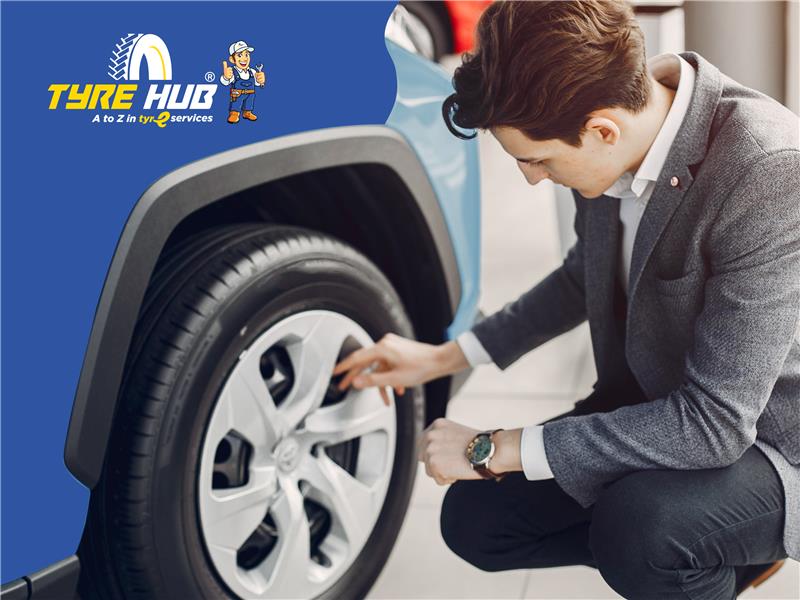
As you select tyres for your car, one of the most basic decisions you face is whether to go tubeless or with traditional tube-type tyres. Though tubeless tyres are the preferred tyre type for modern vehicles, understanding the differences between the two can help you choose the one best suited to your individual needs.
In this in-depth blog, we explain what you need to know about whether to go tubeless or stick with tubes, and which is likely to be the right choice for your bike five years from now.
Understanding the Basic Difference
What Are Tube Tyres?
Tube tyres, which dominated the automotive industry for decades, include two basic parts:
- The tyre: The outer rubber casing that makes contact with the road.
- The inner tube: An inflatable rubber tube that holds air inside the tyre.
When inflated, it is held in place by the air pressure inside, and fitting is usually relatively https://cqha.ca/ easy because it is premoulded to the shape of the tyre. While you pump air into a tube tyre, that air is forced into the inner tube, which in turn forces the tyre out against the rim.
What Are Tubeless Tyres?
Inner tubes are unnecessary in tubeless tyres. Instead, they feature:
- Airtight seal: The tyre bead creates a direct seal with the specially designed rim.
- Inner liner: A layer of impermeable rubber bonded to the inside of the tyre that prevents air leakage.
- Special valve: A rubber valve that seals directly into the rim.
Inner liner prevents air from escaping through the tyre walls, keeping it between https://cpgcre.com/services/ the tyre and the rim.
Tubeless Tyres: Advantages and Benefits
- Enhanced Safety FeaturesTubeless tyres are safer and desirable for modern automobiles.Slow deflation: Tubeless tyres take longer to deflate after a puncture. Chances are, the piercing object will still be stuck in your tyre, temporarily sealing the hole so you can drive to a service station. Tube tyres have a sudden deflation characteristic that can result in loss of control.Better heat dissipation: Because there’s no innertube to create friction, tubeless tyres run cooler. This is especially beneficial on Indian roads, where average speeds are high on highways, and peak summer temperatures can sometimes cause tyres to heat up dangerously.
- Improved Fuel EfficiencyThe absence of an inner tube reduces the wheel assembly’s overall weight. Less rotational mass means:
- Reduced rolling resistance.
- Better fuel economy (typically 1-2% improvement).
- Improved acceleration response.
For daily commuters and long-distance drivers, these small gains add up to significant fuel savings over the tyre’s lifetime.
- Lower Maintenance and Better PerformanceProfessional https://www.nephro-ulm.de/ Installation: Unlike the tube-type tyre, you need professional help to install this tyre on your bike. Professional installation is strongly recommended.Simpler puncture repairs: Many small punctures can be fixed without removing the tyre. Liquid sealants or repair plugs can quickly patch holes, and in many cases, you can continue https://adspc.ad.gov.ng/directors/ driving immediately after the repair.Better road grip: Lower air pressure can be safely used in tubeless tyres without the risk of pinch flats (when the tube gets pinched between the tyre and rim). This improves the grip and makes the ride more relaxing.
- Reduced Risk of BlowoutsWith tubeless tyres, the pinch-flat feeling of hitting a pothole or curb that unseats the tyre and causes you to go flat doesn’t exist. And India’s deadly highways are a little less so.
Tube Tyres: When They Still Make Sense
Even though tubeless tyres are better in most ways, there are some good reasons tube tyres remain a good option.
- Cost-EffectivenessLower up-front cost: Tube tyres and rims are generally cheaper than tubeless tyres. That makes them an attractive option for bargain hunters or for vehicles so frugal they wouldn’t justify a premium.Cheaper repairs: In rural areas or smaller towns where there may not be many places to fix tubeless tyres, replacing the tube is easy and affordable.
- Compatibility with Older VehiclesMany older vehicles, especially motorcycles and scooters manufactured before 2010, come with spoke wheels that aren’t designed for tubeless tyres. The gaps between https://inislot88.io/ spokes prevent the airtight seal necessary for tubeless technology.Retrofit limitations: While tubeless conversion is possible for some vehicles, it often requires replacing the entire wheel assembly, making it economically unviable.
- Easier Repairs in Remote AreasIn remote, adventurous places, away from the https://ingenieriaambiental.espoch.edu.ec/ fancy https://oyoslot.one/ tubeless repair equipment, tube tyres offer a considerable advantage. It’s easy to deal with any puncture using simple tools and a quick patch kit, tyre levers, and a hand pump.For adventure riders, off-road enthusiasts, or those travelling through rural areas, the ability to perform roadside repairs https://africanjournalofbiomedicalresearch.com/ without specialized equipment is invaluable.
- Better Performance with Heavy Loads
For certain commercial vehicles carrying heavy loads on rough terrain, tube tyres can sometimes be preferable. The inner tube provides an additional layer of protection, and field repairs are more straightforward for fleet operators.
Performance Comparison: Key Factors
Safety Score
- Tubeless: 9/10 (gradual deflation, fewer blowouts)
- Tube: 6/10 (sudden deflation risk)
Fuel Efficiency
- Tubeless: 8/10 (lighter, less rolling resistance)
- Tube: 6/10 (heavier, more friction)
Maintenance Ease
- Tubeless: 8/10 (better pressure retention, quick repairs)
- Tube: 7/10 (more frequent inflation needed)
Repair Cost
- Tubeless: 7/10 (repairs cost more but are less frequent)
- Tube: 8/10 (cheaper repairs)
Durability
- Tubeless: 8/10 (better heat management)
- Tube: 6/10 (friction causes faster wear)
Availability of Service
- Tubeless: 9/10 (widely available in urban areas)
- Tube: 10/10 (available everywhere)
Making the Right Choice: Which Should You Choose?
Choose Tubeless Tyres If:
- You own a modern car or bike with alloy wheels (manufactured after 2010).
- You primarily drive in urban or well-developed areas.
- Safety and performance are your top priorities.
- You want better fuel economy.
- You’re willing to spend a bit more to get what’s coming to you down the line.
- Drivers who engage in high-speed driving frequently(highway, way).
Choose Tube Tyres If:
- Your vehicle has spoke wheels (standard in older bikes).
- You frequently travel through remote or rural areas.
- Budget is a primary constraint.
- You need the flexibility of simple roadside repairs.
- Your vehicle isn’t compatible with tubeless technology.
- You like old-fashioned tech.
Transitioning from Tube to Tubeless
If you’re thinking about switching from tube tyres to tubeless tyres, here’s what you need to know:
Check for compatibility: wheels that fit snugly. Alloy wheels without spokes, not spoke wheels.
Cost: You will likely end up spending on a new set of valve stems, tubeless rubber, and a decent pair https://junoon.riphahfsd.edu.pk/ of rims that fit (if you don’t already have them). It costs more upfront, but the long-term benefits tend to pay off.
Professional installation: Tubeless tyres require accurate mounting to ensure airtight sealing. We recommend professional installation.
The Verdict: 2025 and Beyond
Tubeless tyres are the solution for all but the most fastidious 2025 drivers. The safety benefits, better performance, and lower fuel usage are clear advantages that make them a real winner for driving in the modern world. Now, all cars worldwide are equipped with factory-fitted tubeless tyres, as it is universally accepted that users enjoy several benefits when maintaining their vehicles on tubeless tyres.
However, tube tyres aren’t obsolete. They still have their place (pun intended) for specific applications, older bikes, dirt exploits, financial constraints, or living somewhere where there isn’t much tubeless support.
Maintenance Tips for Both Types
For Tubeless Tyres:
- Though tyres maintain pressure better, check air pressure monthly.
- Inspect valve stems for damage or leaks.
- Keep a tyre sealant kit in your vehicle for emergency repairs.
- Have any punctures professionally repaired rather than using DIY methods.
- Replace tyres when tread depth falls below 1.6mm.
For Tube Tyres:
- Give them a quick eye over each week (tubes lose pressure more quickly).
- Check the condition of tyres and tubes for wear, cuts, or bulges.
- If your tyre gets punctured, pack a spare tube and a repair kit just in case.
- Make sure you have the correct tube size for your tyre size.
- Replace tubes that have been patched more than twice.
Common Myths Debunked
- Myth: Tubeless tyres are non-repairable.
- Reality: No, small holes are in fact easier to repair than a whole-tube tyre.
- Myth: Tubeless tyres are less reliable.
- Reality: Tubeless tyres have fewer failure points and better safety records.
- Myth: Converting to tubeless is always expensive.
- Reality: If your wheels are compatible, conversion costs are reasonable.
https://portal.firststeps.edu.pk/
Conclusion: Choose Based on Your Needs
The tubeless versus tube tyre debate doesn’t have a one-size-fits-all answer. Your choice should depend on your vehicle type, driving conditions, budget, and personal priorities.
Tubeless tyres benefit most cars and driving types, and the TK improvement is modest. Present tyre-fitting technology; this idea would fill the position.
Tube tyres are still valuable and reliable if you drive an older vehicle or frequent places without specialized repair services.
Whichever one you pick, though, let your regular maintenance, inspections, and replacements be what actually keep you safe on the road. https://ovodewa13.com/
We are providing service in this city

Ahmedabad

Gandhinagar
Other City



Copyright © 2026  TyreHub. All Rights Reserved.
Powered By : Webtual Technologies PVT LTD